




Why Your Oral Health Matters More During Pregnancy

Aldergrove Dental • April 15, 2025
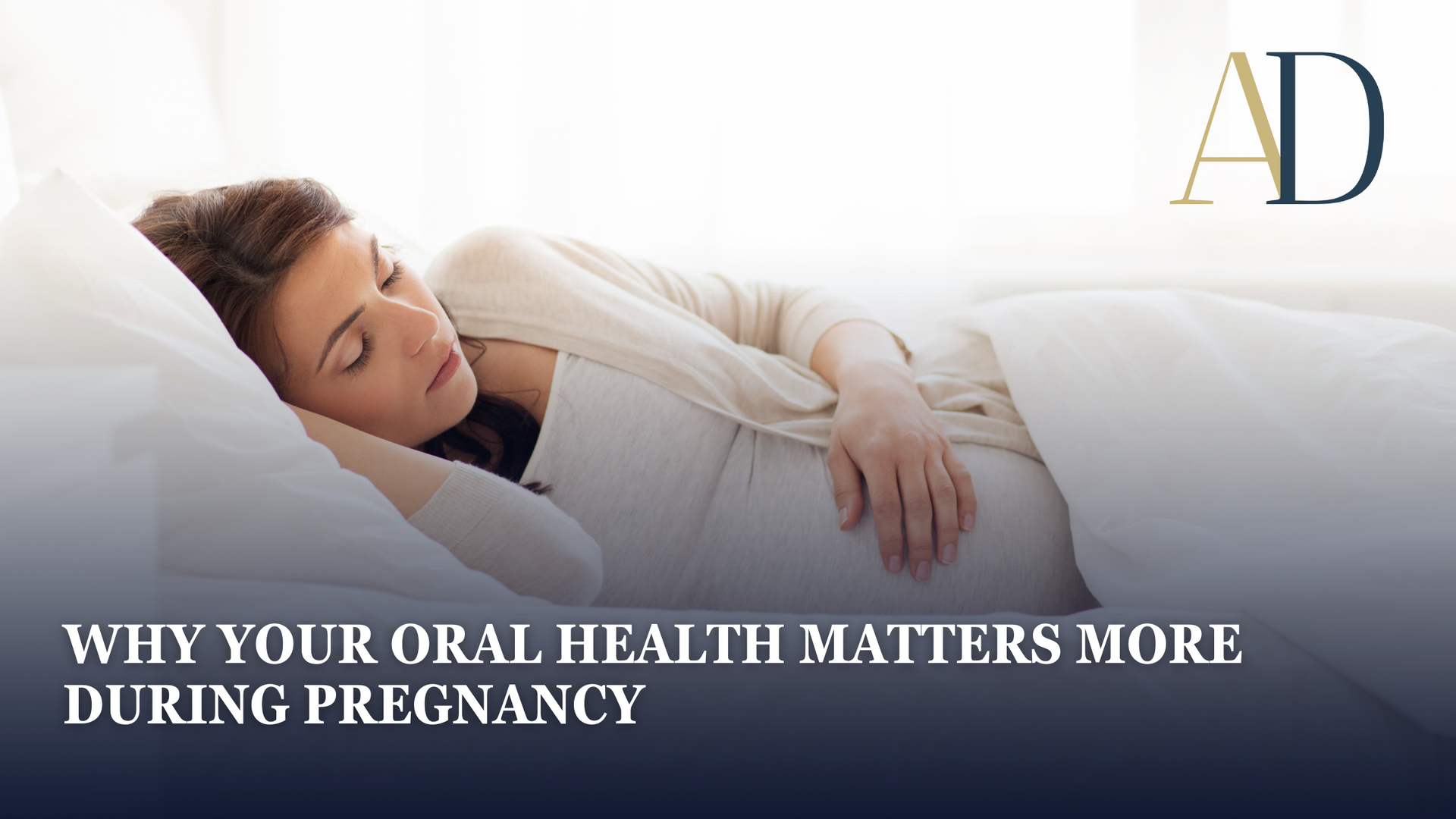
Pregnant woman resting on white bed with text: “Why your oral health matters more during pregnancy.”

Source: Dr. Marketing

Pregnancy is an exciting time filled with many changes, and oral health is no exception. While many expectant individuals focus on prenatal care, dental care is just as important for overall well-being. Hormonal fluctuations during pregnancy can make gums more susceptible to inflammation, increase the risk of cavities, and even lead to enamel erosion. However, with proper care and regular dental visits, it is possible to maintain a healthy smile throughout pregnancy.


At Aldergrove Dental, we provide safe and effective dental care for expectant individuals in Langley Township, ensuring they receive the best possible treatment while protecting their baby's health. This guide explores the impact of pregnancy on oral health, safe dental procedures, and essential habits for maintaining a bright and healthy smile.


How Pregnancy Affects Oral Health

Pregnant woman in a gray dress gently holding her belly by a bright window

Pregnancy brings several physiological and hormonal changes that can directly impact oral health. Increased progesterone and estrogen levels can lead to inflammation and sensitivity, making the gums more vulnerable to infections and plaque buildup. Additionally, cravings for sugary foods and frequent snacking can create an environment for tooth decay.


Common Dental Issues During Pregnancy

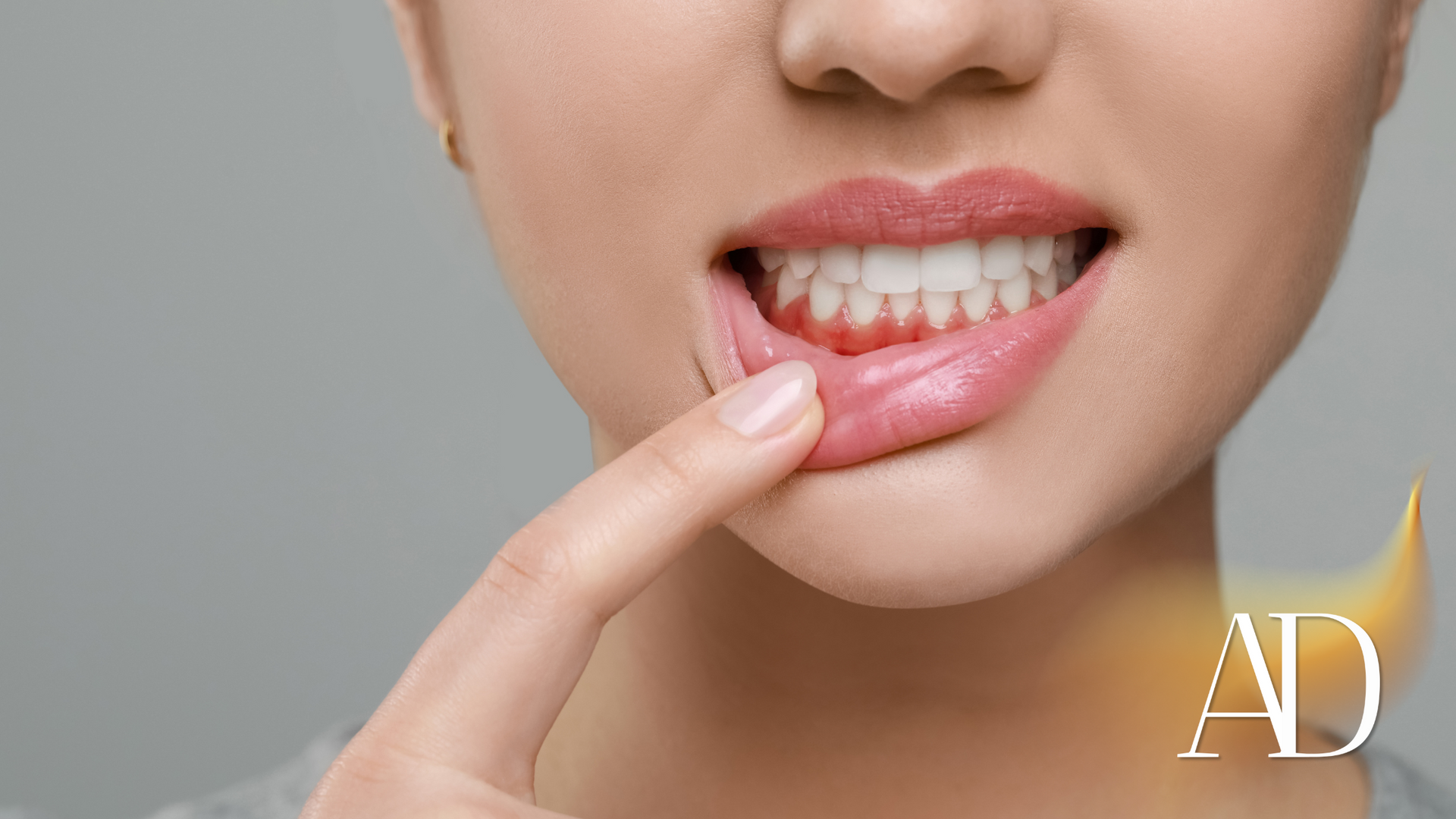
Close-up of a person smiling while touching their lower teeth with a finger, showing a dental problem

Pregnancy Gingivitis


  • Around 60-70% of pregnant individuals experience gingivitis due to increased blood flow to the gums, making them more sensitive and prone to swelling and bleeding.
  • If left untreated, gingivitis can progress into periodontal disease, which has been linked to complications such as preterm birth and low birth weight.


Increased Risk of Cavities


  • Changes in eating habits, frequent snacking, and cravings for sweet foods can increase plaque buildup, leading to a higher risk of cavities.
  • Morning sickness can introduce additional acid to the teeth, weakening enamel and making them more prone to decay.


Enamel Erosion from Morning Sickness


  • Vomiting due to morning sickness exposes teeth to stomach acids, which can erode enamel over time.
  • Rinsing the mouth with water or a fluoride mouth rinse after vomiting can help neutralize acid and prevent erosion.


Pregnancy Tumors (Pyogenic Granulomas)


  • Some pregnant individuals develop benign growths on the gums due to hormonal changes.
  • These growths are not cancerous and typically disappear after childbirth but may cause discomfort.


Dry Mouth (Xerostomia)


  • Hormonal changes can reduce saliva production, increasing the risk of bad breath, cavities, and gum disease.
  • Staying hydrated and chewing sugar-free gum can help stimulate saliva flow.


Safe Dental Treatments During Pregnancy

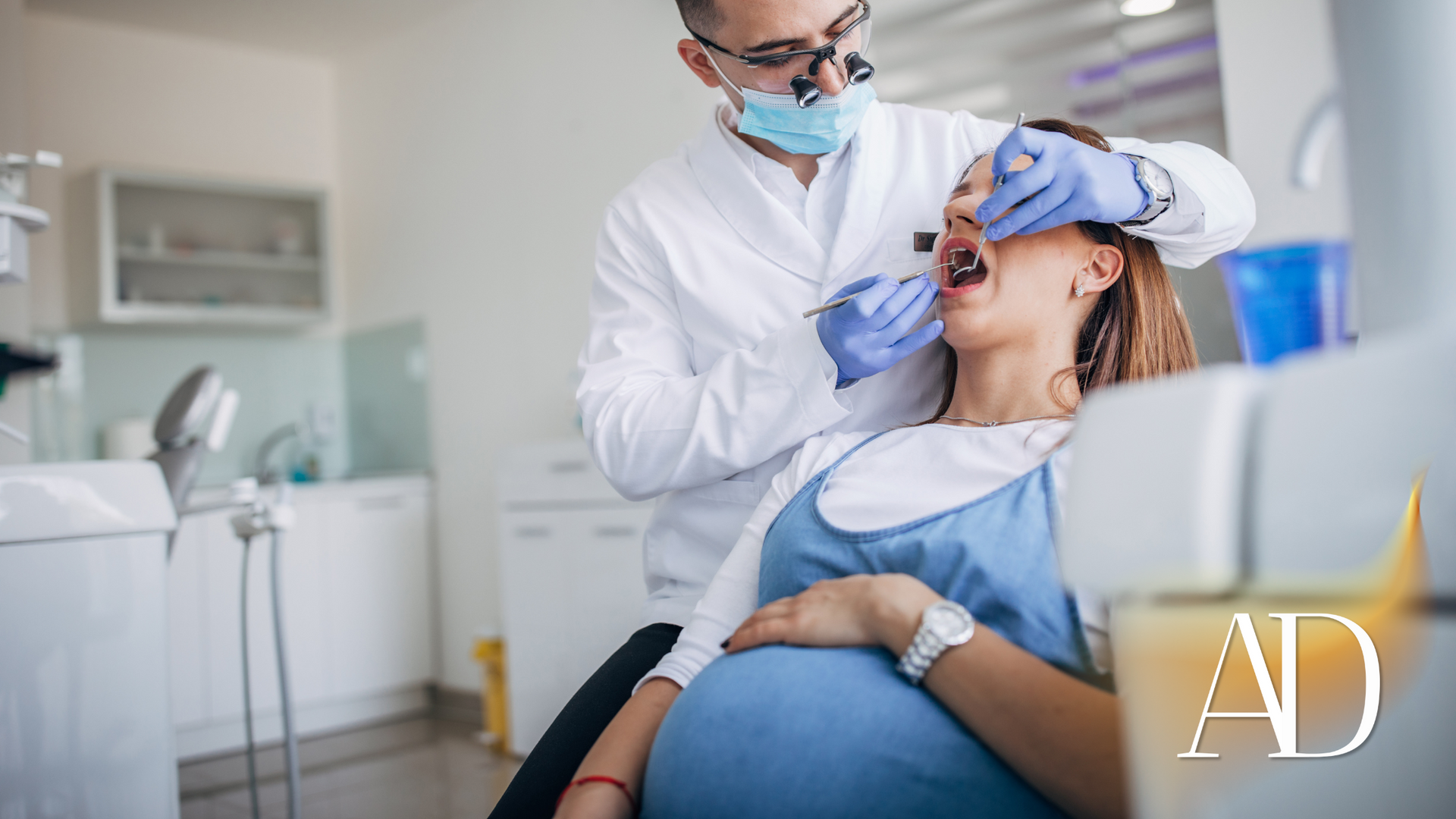
Dentist examining a patient’s teeth in a bright dental clinic, with a watermark in the corner

Many expectant individuals worry about the safety of dental procedures during pregnancy. The good news is that preventive, diagnostic, and restorative dental treatments are generally safe at any stage when performed by a professional following recommended guidelines.


Preventive Dental Care


Preventive care is the best way to maintain oral health and avoid dental complications during pregnancy. Regular check-ups allow the dental team to monitor any changes in oral health and provide appropriate care.


Oral Hygiene Tips During Pregnancy


  • Brush twice daily with fluoride toothpaste.
  • Floss once a day to remove plaque between teeth.
  • Use an antimicrobial mouthwash to prevent gum disease.
  • Maintain a balanced diet with plenty of calcium, vitamin D, and folic acid to support healthy teeth and gums.
  • Drink plenty of water to combat dry mouth and wash away bacteria.


Are Dental X-Rays Safe During Pregnancy?


  • If X-rays are needed, they can be performed with a lead apron and thyroid collar to minimize exposure.
  • Dental X-rays use very low radiation and do not pose a risk to a developing baby when proper shielding is used.


Safe Local Anesthetics for Dental Procedures


  • Local anesthetics such as lidocaine, bupivacaine, and mepivacaine are safe during pregnancy.
  • These anesthetics help ensure comfort while minimizing any potential risks to the baby.


The Connection Between Oral Health and Pregnancy Outcomes

Two adults and a baby’s hands gently cradled together on a light background

Oral health is closely connected to pregnancy outcomes. Studies suggest that poor oral health may contribute to complications, including:


Preterm Birth and Low Birth Weight


  • Gum infections can introduce harmful bacteria into the bloodstream, triggering an inflammatory response that may lead to premature labor.
  • This inflammation may cause the body to produce prostaglandins, a chemical that can induce early contractions.
  • Maintaining healthy gums through professional cleanings and good oral hygiene may help reduce the risk of preterm birth and low birth weight.


Gestational Diabetes Complications


  • Individuals with gestational diabetes are at higher risk for gum disease.
  • Uncontrolled gum disease can worsen inflammation, making diabetes harder to manage.
  • Proper oral hygiene, professional cleanings, and regular dental visits can help control inflammation and blood sugar levels.


Increased Risk of Early Childhood Cavities


  • Bacteria responsible for cavities can be transmitted from parents to newborns through activities such as sharing utensils or pacifiers.
  • Studies suggest that children of parents with untreated cavities are more likely to develop tooth decay at an early age.
  • Maintaining good oral health and addressing cavities during pregnancy can reduce the likelihood of early childhood dental issues.


Postpartum Dental Care: What to Expect After Pregnancy

Woman in a white shirt drinking water beside a bright window


After childbirth, many new parents focus entirely on their newborn’s needs, sometimes neglecting their own oral health. However, postpartum oral care is essential to ensure long-term dental wellness.

Steps to Maintain a Healthy Smile After Pregnancy


  • Schedule a postpartum dental check-up to assess oral health.
  • Resume any delayed dental treatments as soon as possible.
  • Continue brushing and flossing daily.
  • Stay hydrated to combat dry mouth.
  • Eat a nutrient-rich diet to support strong teeth and gums.


When Should a Baby’s First Dental Visit Be?

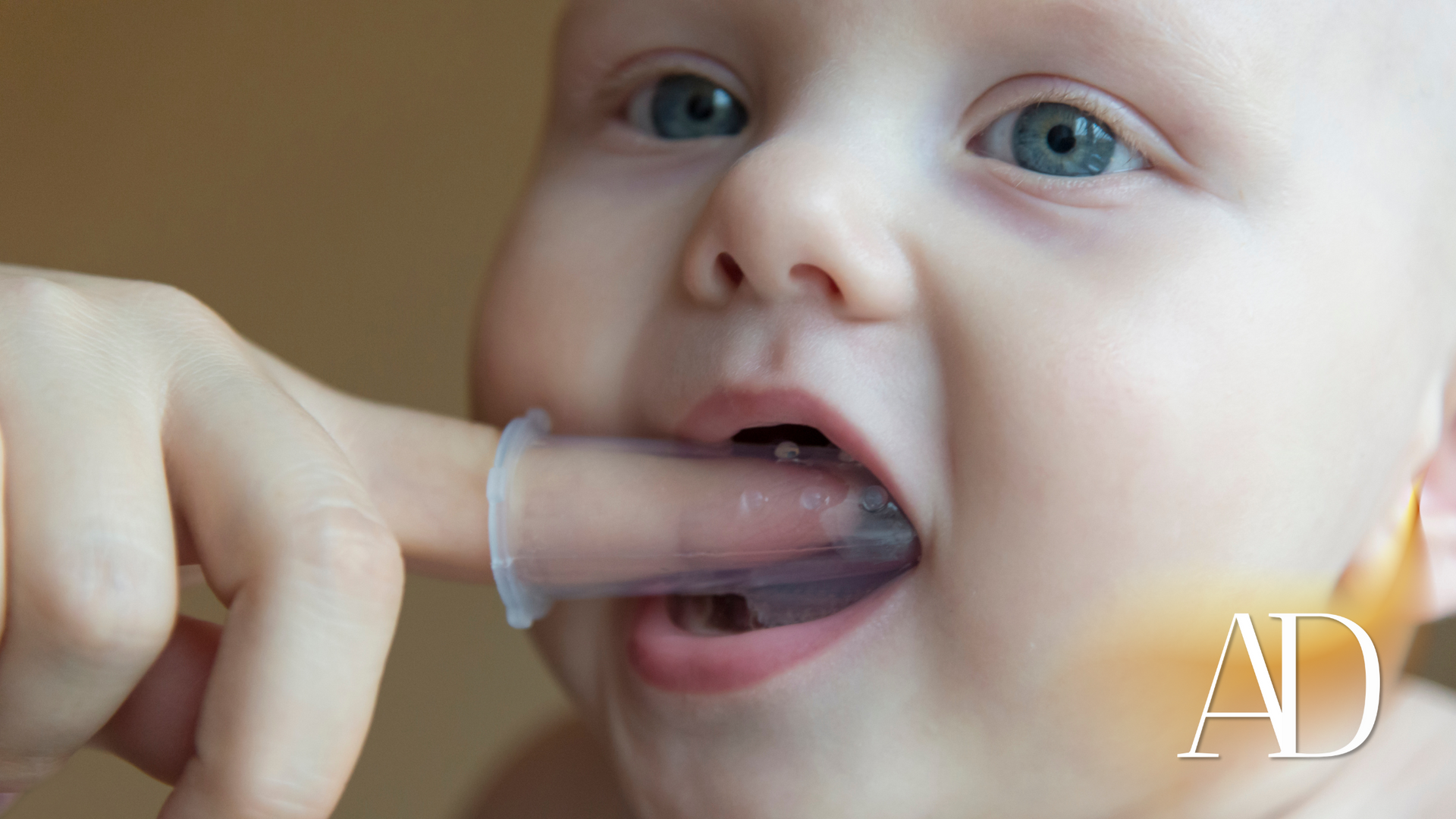
Close-up of a baby putting a plastic syringe into their mouth


Oral health habits should begin before a baby’s first tooth appears. Wiping a baby’s gums with a clean, damp cloth after feedings can prevent bacteria buildup.

Recommended first dental visit


  • The first visit should take place by age one or within six months of the first tooth eruption.
  • Early visits establish good habits and allow the dentist to monitor oral development.


Take Charge of Your Oral Health During Pregnancy

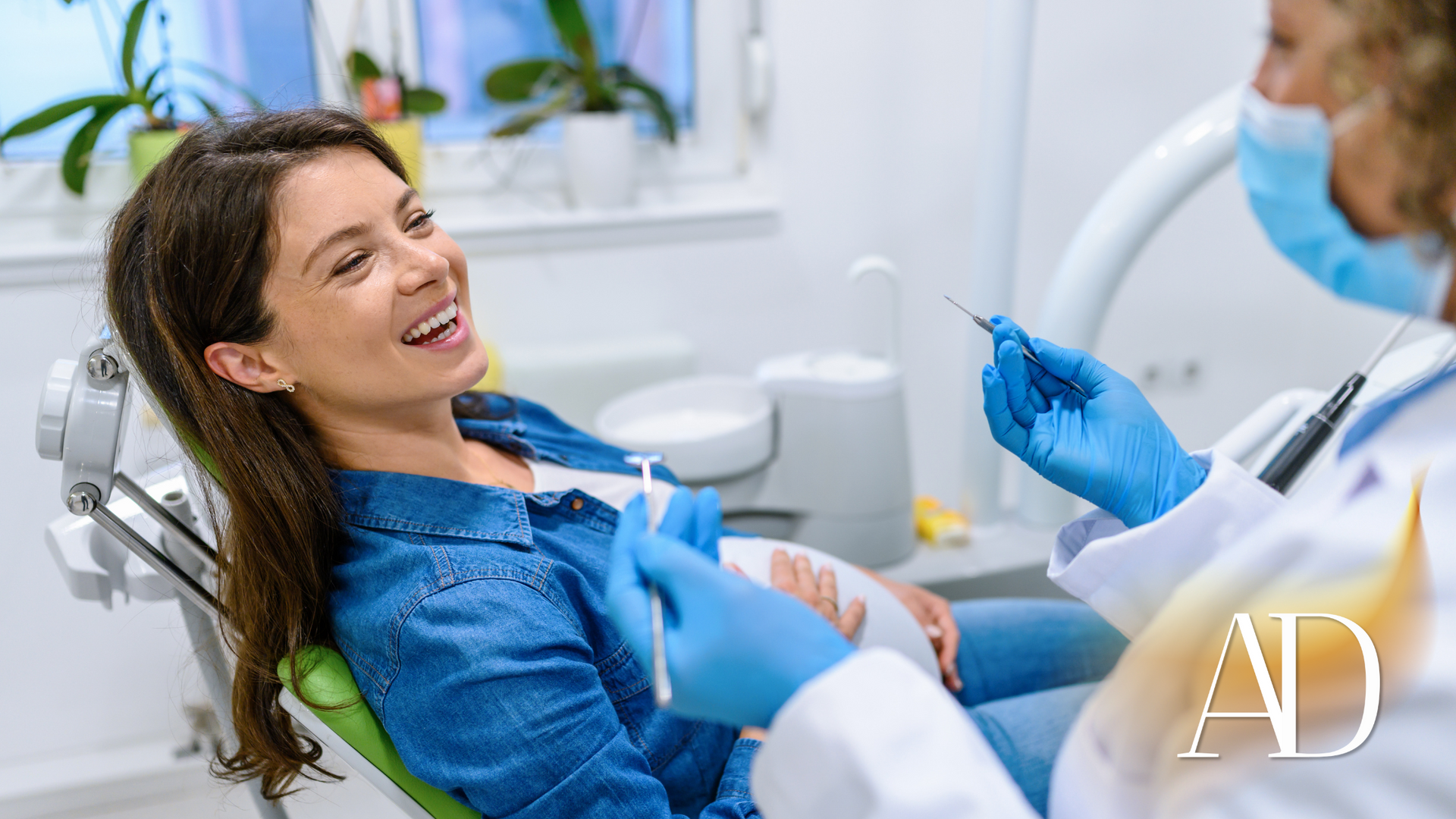
Woman smiling in a dental chair as a dentist prepares a procedure with blue gloves

Maintaining a healthy smile during pregnancy is essential for both maternal and infant health. Preventive, diagnostic, and restorative treatments are safe and beneficial, and early intervention can help avoid complications. By prioritizing oral hygiene, scheduling regular dental visits, and making healthy dietary choices, expectant individuals can protect their smiles and their baby’s well-being.


At 
Aldergrove Dental , we provide comprehensive and compassionate dental care for expectant individuals in Langley Township. Whether you need a routine cleaning or treatment for a dental concern, our team is here to support your journey to a healthy smile .

Share

Recent Posts

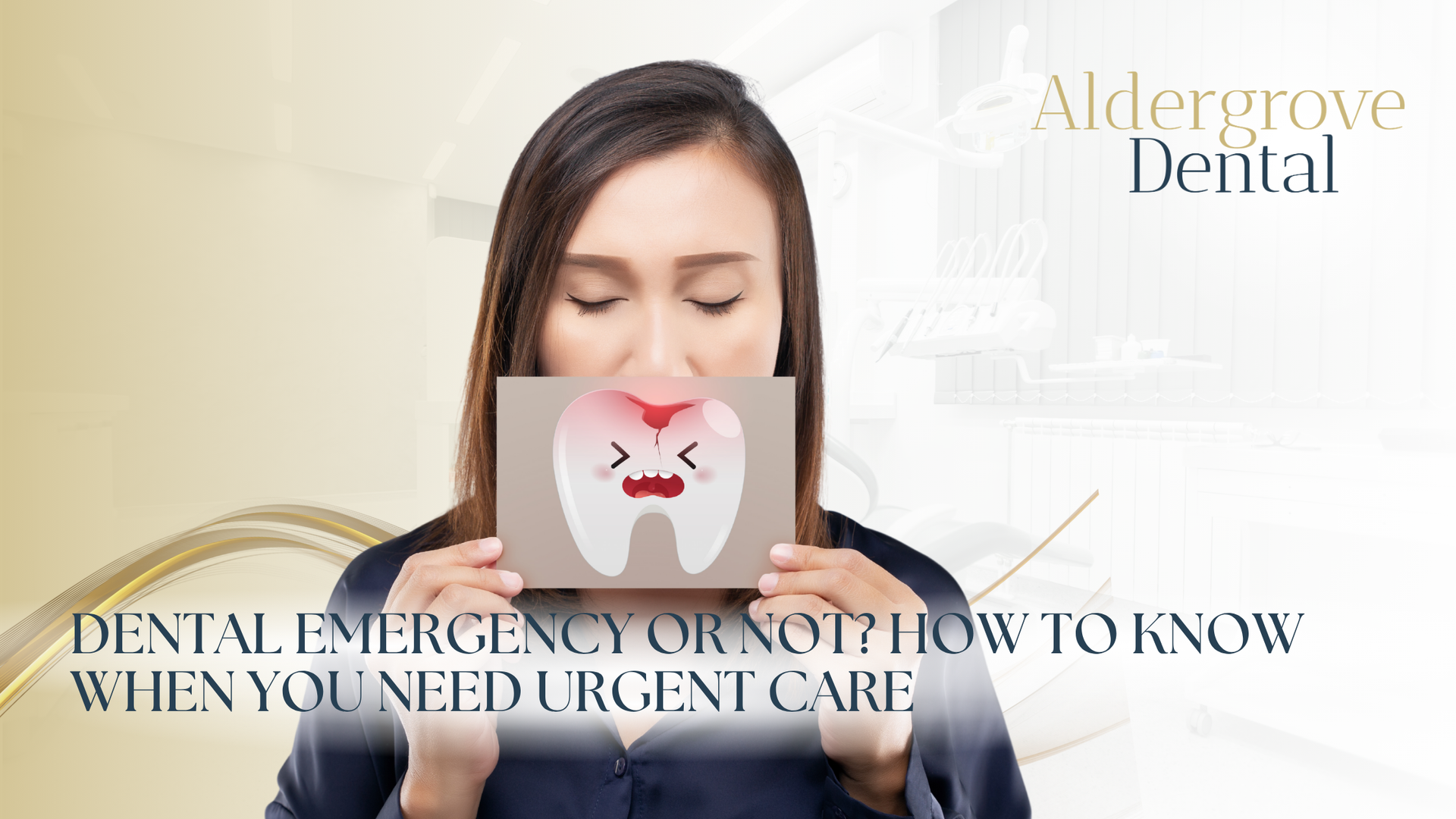
By Aldergrove Dental • October 1, 2026
Not sure if your dental problem can wait? Learn when tooth pain, swelling, broken teeth, lost crowns, bleeding, and dental injuries need urgent attention. Aldergrove Dental provides emergency dental care and guidance for patients in Aldergrove.
Smiling person in a cream dress beside text about Invisalign consultation at Aldergrove Dental
By Aldergrove Dental • September 15, 2026
A healthier smile starts with understanding your options. Learn who may benefit from teeth straightening, what happens during an assessment, and why personalized care matters. Aldergrove Dental proudly serves Aldergrove.
Smiling person in a teal top with text: “Why choose Invisalign instead of metal braces?”
By Aldergrove Dental • September 1, 2026
earn how Invisalign® compares with traditional braces for treatment time, comfort, eating, and daily care. Aldergrove Dental explains the benefits of clear aligners, common myths, and what can determine whether Invisalign® is right for your smile.
Smiling man in blue shirt with Aldergrove Dental text and “Does teeth whitening make sensitive teeth worse?”
By Aldergrove Dental • August 15, 2026
Worried teeth whitening could make sensitivity worse? Aldergrove Dental in Aldergrove explains why sensitivity happens, how whitening works, and how professional treatment can be adjusted for greater comfort. Discover whether teeth whitening may be suitable for your smile.
Show More