Frequently Asked Questions About Dental Implants
Source: Dr. Marketing
Dental implants are often described as a long-term option for replacing missing teeth, yet many patients hesitate before moving forward. The hesitation is rarely about whether dental implants work. It is about understanding what the process truly involves, how it feels, and what life looks like after treatment. These questions are thoughtful, practical, and entirely reasonable.
At Aldergrove Dental, we believe that when patients understand dental implants clearly, the decision-making process feels far less overwhelming. For individuals exploring dental implants in Aldergrove, education plays a key role in building confidence and setting realistic expectations.
Why Patients Have So Many Questions About Dental Implants

Tooth replacement is not a cosmetic decision alone. It affects how a person eats, speaks, and maintains oral health over time. Dental implants involve planning, healing, and long-term care, which naturally leads patients to seek clarity before committing.
Unlike treatments that are completed in a single visit, dental implants follow a phased approach. This makes patients curious about timelines, comfort, and outcomes. Rather than viewing these questions as hesitation, we see them as an important step toward informed care.
Understanding What Dental Implants Really Are

Dental implants require patience, and understanding the timeline helps set appropriate expectations. After the implant is placed, the body needs time to heal and allow the implant to integrate with the surrounding bone. This healing phase is essential for long-term success and cannot be rushed.
Once integration is complete, the final restoration is placed. While this process may span several months, each stage contributes to the stability and durability of the final result. Patients often find reassurance in knowing that the time invested upfront supports lasting outcomes.
Longevity and Long-Term Value

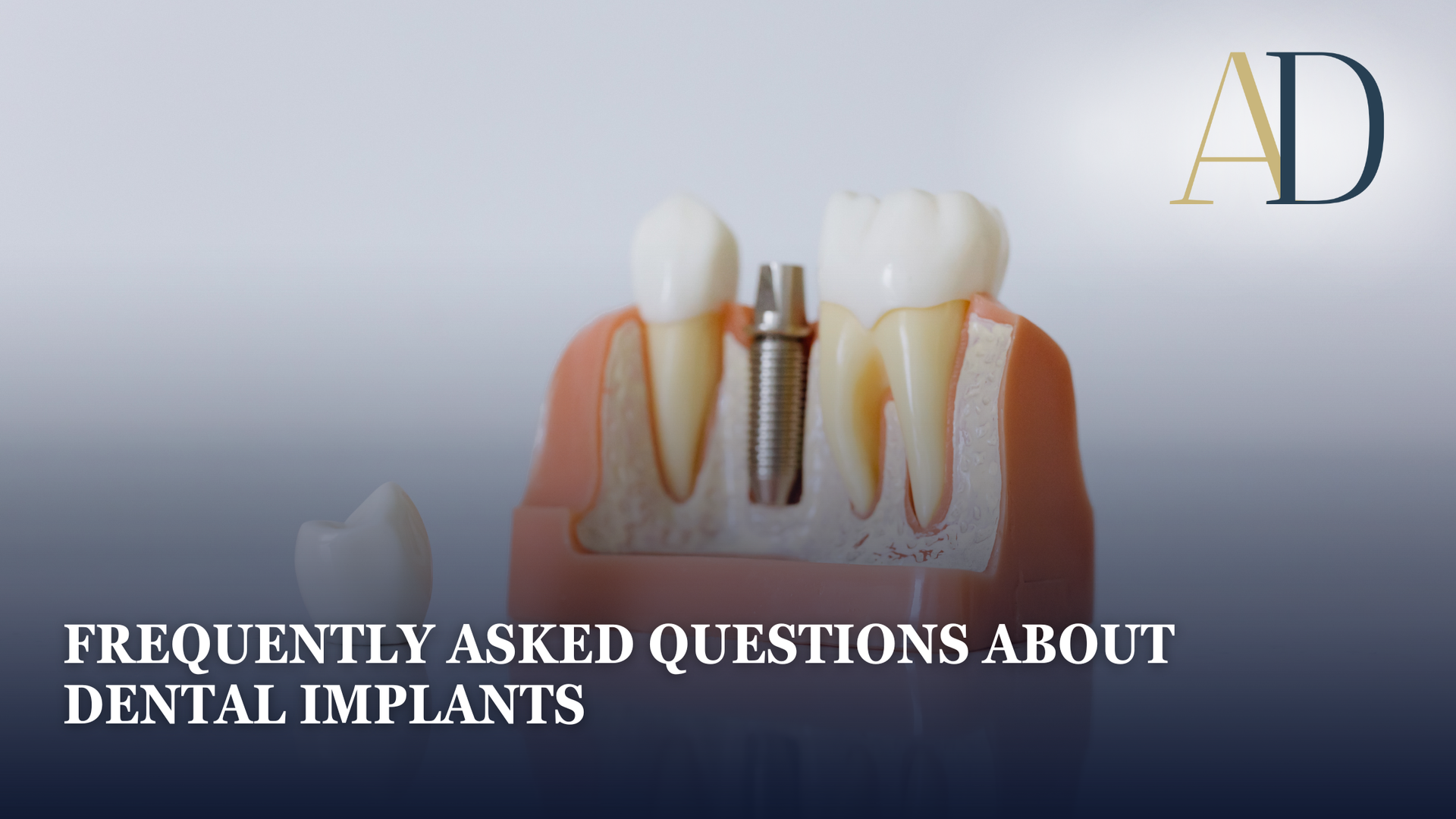
At their core, dental implants are designed to replace the root of a missing tooth. A small post is placed into the jawbone, where it gradually integrates with the bone itself. This process creates a stable foundation that can support a crown, bridge, or denture. What makes dental implants different from other tooth replacement options is this direct connection to the jawbone. Because the implant functions as an artificial root, it allows the restoration above it to feel more secure and natural during everyday activities. Over time, this stability supports both comfort and function.
Addressing Concerns About Comfort and Healing
One of the most common concerns patients express relates to discomfort. Dental implant placement is typically completed with local anesthesia, and additional comfort options may be available depending on individual needs. Most patients describe the experience as manageable and less intimidating than expected.
After placement, it is normal to experience mild swelling or soreness as the area begins healing. This phase is temporary and usually improves steadily with proper care. Clear aftercare guidance helps patients feel supported during recovery, and most return to normal routines relatively quickly.
What the Treatment Timeline Looks Like

Patients frequently ask how long dental implants last. With proper care, dental implants are designed to serve as a long-term solution. The implant itself may last for decades, while the visible restoration may require maintenance or replacement over time due to normal wear. Daily oral hygiene and routine dental visits play a significant role in preserving implant health. Although implants do not develop cavities, the surrounding gum tissue must remain healthy to support them. Ongoing care helps protect both function and appearance.
How Dental Implants Support Oral Health
Dental implants do more than fill a gap in the smile. They help maintain jawbone health by stimulating the bone during normal chewing. This stimulation helps reduce bone loss that can occur after tooth loss.
Additionally, dental implants stand independently, meaning adjacent teeth do not need to be altered for support. Preserving natural tooth structure is an important benefit that many patients appreciate once they understand the difference.
Who Dental Implants Are Typically Suited For

Dental implants are commonly considered for adults with missing teeth who are seeking a stable, long-term option. Adequate bone support and healthy gums are important factors, although additional procedures may be recommended when bone volume is limited. Age alone does not determine eligibility. Many adults and seniors explore dental implants as a way to restore function and confidence. Each treatment plan is based on individual oral health needs, not assumptions.
Daily Life with Dental Implants
Patients often wonder whether dental implants will feel different from natural teeth. Once healing is complete, most patients report that implants feel stable and natural during eating and speaking. Because they are fixed in place, implants eliminate many of the concerns associated with removable options. Caring for dental implants becomes part of a normal oral hygiene routine. Brushing, flossing, and professional cleanings remain essential, just as they are for natural teeth.
Why Thoughtful Planning Matters

Dental implants are most successful when they are carefully planned. A thorough consultation allows patients to understand the process, ask questions, and explore whether implants align with their long-term goals. At Aldergrove Dental, we take time to explain each phase clearly so patients in Aldergrove feel confident about their choices. Education allows patients to move forward with clarity rather than uncertainty.
Making Informed Decisions About Dental Implants
Dental implants are not a quick decision, and they should not feel rushed. Asking questions, understanding expectations, and learning how implants affect oral health over time are essential steps in the process.
When patients feel informed, the journey toward tooth replacement becomes less intimidating and far more empowering. Dental implants offer a reliable option for restoring smiles, function, and confidence when approached with thoughtful planning and clear communication.
Share
Recent Posts